
Community Participation
NDIS Community Participation Funding: What It Covers and How to Make It Count
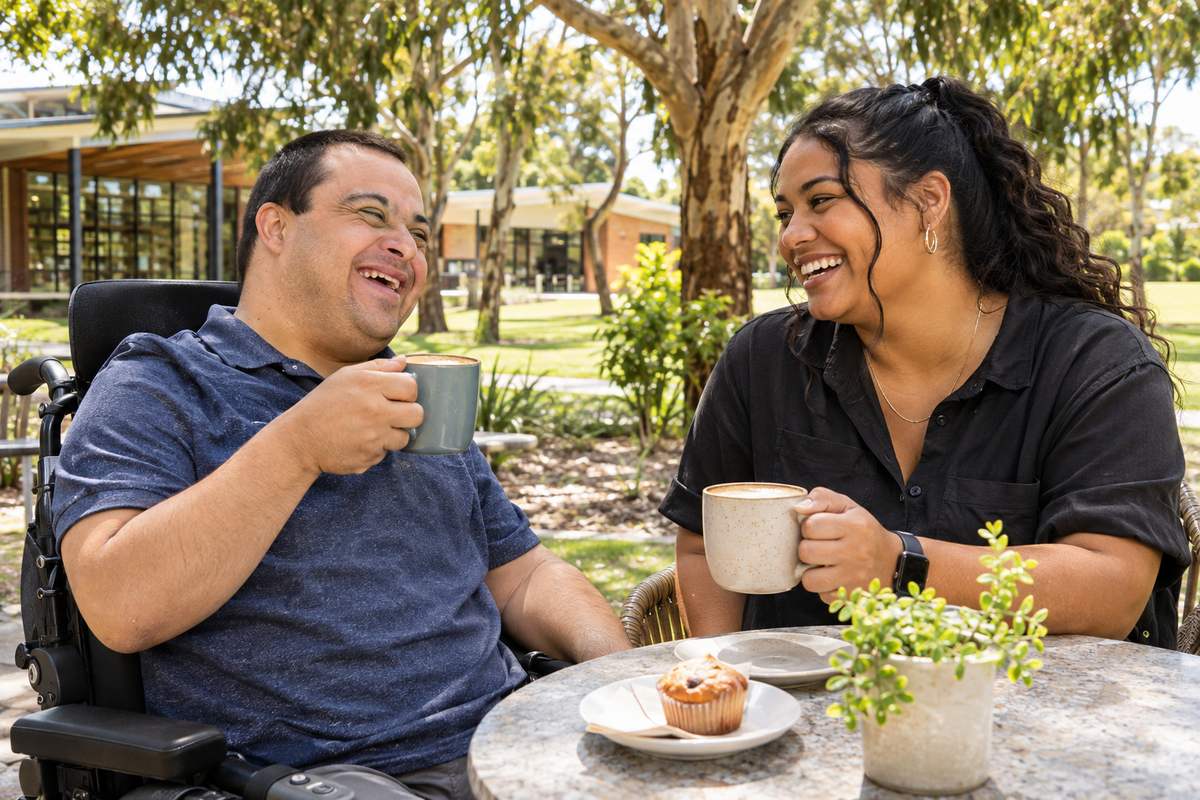
NDIS community participation funding helps eligible participants receive disability-related assistance to join activities, meet people and take part in community life. Depending on your approved plan, it may fund a support worker to accompany you to social groups, recreational activities, sporting events or volunteering opportunities. The focus is on the assistance you need to participate, with funding determined by your individual plan, goals and applicable NDIS rules.
Mag-book ng Libreng Konsultasyon
How much of NDIS spending goes to community participation?
Community participation is a major part of NDIS spending across Australia. According to the NDIA Quarterly Report Q4 2025-26 (year to 30 June 2026), the NDIS paid about $51.5 billion in participant supports in total. Social and community participation supports received about $12.2 billion, or about 24% of all payments. This made community participation the second biggest spending category after Assistance with Daily Life, which accounted for about 52% of payments.
In New South Wales, about $3.8 billion went towards community participation supports out of about $15.9 billion in total NSW payments. These figures reflect the important role of social connection, recreational activities and community involvement within the NDIS. Funding in this area can help eligible participants receive disability-related assistance to attend activities, spend time with others and participate in community life in ways that reflect their personal interests and goals.
These amounts show the national and state spending picture, rather than what any individual participant will receive. Individual NDIS plans differ because participants have different disability-related needs, circumstances and goals. Your own approved plan and planner determine what is funded for you. When considering community participation activities, check your available support budget, relevant funding conditions and plan goals. Your NDIS planner or local area coordinator can help clarify how your funding may be used.
Start with what you want to do in your community
Community participation means different things to different people. You might enjoy visiting a local library, joining a walking group, attending a cultural event or spending time with friends. Someone else may want to explore a hobby, volunteer at a community organisation or become more comfortable visiting unfamiliar places. The starting point is choosing activities that interest you and identifying the assistance that would help you participate.
NDIS community participation support is designed around disability-related needs and personal goals. For example, a participant may need physical assistance accessing a recreational activity, help communicating in a group or support navigating an unfamiliar environment. A support worker can provide appropriate assistance while respecting the participant's preferences, decisions and independence. The arrangement should reflect what the person wants from the experience.
Think about activities that would make your week more enjoyable, meaningful or connected. Consider the places you already like visiting and the opportunities you would like to explore. It can help to discuss your ideas with family, trusted people or a potential support provider. Your individual plan determines the funding available, and your NDIS planner or local area coordinator can clarify how it applies to your goals.
Understanding Core participation funding and Capacity Building
The NDIS can support community participation through different funding categories. Core Assistance with Social, Economic and Community Participation generally covers eligible practical assistance to take part in activities. This may involve a support worker helping you attend a local group, visit a community venue or participate in recreation. Core funding focuses on the support needed for everyday participation, subject to your plan and relevant funding conditions.
Capacity Building support has a different purpose. Where included in a plan, Increased Social and Community Participation funding may support structured activities that develop skills, confidence and independence for community involvement. For example, an eligible program might focus on developing social interaction or practical participation skills. These supports are considered against their specific funding purpose rather than being interchangeable with ordinary Core participation assistance.
The national figures show the importance of these broader categories. According to the NDIA Quarterly Report Q4 2025-26 (year to 30 June 2026), Core supports accounted for about 79% of payments. Capacity building for daily life skills and therapy accounted for about $6.0 billion, or about 12%. That Capacity Building figure covers broader support types and is not a specific total for community participation skill development.
What community participation funding can help you access
Eligible community participation assistance can support a wide range of activities outside the home. A support worker might help someone attend a community centre, participate in a recreational group, access a sporting activity or visit a local event. Assistance may involve getting ready, navigating the venue, communicating with others or completing disability-related tasks during the activity. The funded component is the eligible support provided.
Social connection can also be an important goal. A participant might want assistance joining a hobby group, meeting friends or building familiarity with community spaces. Volunteering can be another meaningful option when the approved support relates to disability-related participation needs. The activity should reflect the participant's interests, and the worker's role should encourage choice, involvement and opportunities to develop confidence.
Community participation does not have to involve large events or busy environments. A quiet visit to a library, an accessible outdoor activity or time spent at a familiar community venue may be equally meaningful. Choose settings that suit your preferences, comfort and abilities. Individual plans differ, and the participant's own plan and planner determine what is funded through the NDIS planning process.
- Community groups: assistance attending local clubs, hobby groups and social gatherings.
- Recreation: support participating in suitable leisure and cultural activities.
- Sport and movement: disability-related assistance accessing eligible sporting or recreational activities.
- Volunteering: support participating in suitable community volunteering opportunities.
- Social connection: assistance meeting friends and taking part in community events.
- Local outings: practical support accessing libraries, parks and other community facilities.
Understanding activity costs and what funding covers
Community participation funding generally pays for eligible disability-related assistance rather than the ordinary price of the activity itself. For example, funding may cover a support worker who helps a participant attend a swimming activity. The usual pool admission, membership or recreational fee is generally a personal expense. Understanding this distinction makes it easier to plan activities and discuss expected costs before booking.
The same principle applies to entertainment, food and ordinary purchases. A worker may provide eligible assistance during a visit to a cinema, café or community event, while standard tickets, meals and personal purchases are usually paid for separately. Some specialised disability-related activity costs may be considered under specific NDIS rules. The relevant support category, approved plan and funding purpose guide what can be claimed.
Before committing to an activity, ask the provider to explain the assistance they will deliver, how it will be invoiced and which expenses you should arrange personally. It is also helpful to discuss applicable worker travel or activity-related charges in advance. Individual plans differ, and your approved funding determines which supports are available. Your NDIS planner or local area coordinator can help clarify the relevant conditions.
Group activities or one-to-one support: choosing your approach
Group participation can be a welcoming way to enjoy shared interests and meet people. Depending on the activity, an eligible group support arrangement may involve a worker assisting participants while they take part in a planned session. It can suit people who enjoy social interaction, structured activities and opportunities to practise skills in a shared environment. The available support should still reflect individual needs.
One-to-one support offers a more individualised arrangement. A support worker can assist with an outing, follow a preferred activity schedule and adapt assistance to the participant's communication style or practical requirements. This approach may suit someone exploring a new community venue, attending an activity that requires individual assistance or choosing a routine based on personal interests. The appropriate arrangement depends on the approved plan.
Some participants enjoy combining group experiences with individual outings. For example, a regular community group might provide familiar social contact, while individual support could help with exploring different activities. Discuss the available options, worker arrangements, activity expectations and relevant pricing with your provider. The goal is to choose a sustainable experience that supports meaningful participation and fits your approved funding.
Planning transport and access to community activities
Getting to an activity is an important part of planning community participation. Before choosing a venue, consider its location, accessibility, travel arrangements and the assistance you may need along the way. Some participants use public transport with appropriate support, while others may need an accessible vehicle or individual transport assistance. The suitable option depends on personal circumstances and available services.
Transport funding and community participation support have different purposes, even when they relate to the same outing. Depending on the plan and applicable NDIS rules, eligible support worker assistance during travel, provider transport charges or specific participant transport arrangements may be funded in different ways. Ordinary personal travel expenses and the worker's disability-related assistance should be considered separately when discussing expected charges.
Ask your provider how transport will be organised, whether an accessible vehicle is available for your needs and how any relevant charges will appear on an invoice. Include travel arrangements when planning the activity so that the outing feels manageable from departure to return. Your approved plan determines available funding, and your NDIS planner or local area coordinator can explain the applicable transport provisions.
Create a community participation routine you can enjoy
A practical routine connects your interests with realistic support arrangements. Start by choosing activities you would genuinely like to attend. Think about the days you feel most comfortable going out, the environments you enjoy and the assistance that would help you participate. A familiar schedule can make community activities easier to organise while leaving room for new experiences.
Discuss the proposed routine with your support provider. Explain your preferred destinations, communication needs, accessibility requirements and whether you would like individual or group support. Consider the time needed for travel, participation and returning home. When comparing options, focus on the experience you want rather than filling every available support hour. Meaningful activities should reflect your own preferences and goals.
Review the proposed schedule against your approved funding and any funding periods shown in your plan. Consider how activity preferences may change with the weather, personal commitments or opportunities in your local area. Agree on how you will communicate changes to bookings and support times. A flexible approach can help your routine remain enjoyable while keeping services aligned with available funding.
- Choose activities connected to your interests and personal goals.
- Identify the disability-related assistance needed for each activity.
- Consider location, accessibility, travel and preferred support arrangements.
- Agree on a suitable schedule with your provider.
- Check expected charges against your approved funding.
- Discuss how to change activities or support times when your preferences evolve.
Manage your funding through the plan period
Understanding your available funding helps you choose activities with confidence. Read your approved plan and identify the relevant Core or Capacity Building support budget. Check for stated purposes, funding periods and any conditions that affect how the allocation can be used. Some Core funding allows flexibility across eligible support categories, while Capacity Building funding is generally linked to more specific purposes.
Self-managed participants organise claims, payments and records according to the applicable NDIS requirements. Plan-managed participants can have eligible invoices processed by their plan manager, who can also provide information about spending and remaining funds. Valencea currently supports self-managed and plan-managed participants in Greater Sydney. Whichever arrangement applies, clear service descriptions and invoices help you understand how community participation funding is being used.
Keep track of scheduled activities, completed support hours, invoices and available balances. Compare expected future support with the funding remaining across your plan period. A clear service agreement should explain the agreed assistance, pricing, cancellations and relevant charges. Regular budget checks allow you to discuss suitable adjustments with your provider while maintaining a routine that fits the funding available.
- Read the relevant support descriptions and funding conditions in your plan.
- Understand the service agreement before activities begin.
- Keep invoices and records of delivered support.
- Check available funds throughout each funding period.
- Discuss schedule changes before committing to additional services.
- Ask your NDIS planner or local area coordinator when funding conditions need clarification.
Measure meaningful progress and ask the right provider questions
The value of community participation is personal. You might notice that you feel more comfortable visiting familiar places, enjoy meeting people or have discovered an activity you want to continue. Progress can also involve learning how to navigate a venue or communicating your preferences more confidently. Reflect on what matters to you and discuss whether the current activities are helping you pursue those goals.
When reviewing support, consider the relationship with your worker, the accessibility of chosen activities and the way assistance is delivered. Ask whether you would enjoy different destinations, more group interaction or a change in the amount of individual assistance. If your disability-related needs change and your funding requires review, your NDIS planner or local area coordinator can explain the relevant process.
When comparing providers, ask how they match workers with participants, plan accessible outings and communicate changes. Valencea is a family-run provider based in Northmead, supporting Greater Sydney, including Parramatta, Castle Hill, Blacktown, Auburn, Granville, Liverpool, Penrith and Merrylands. It offers a free first Meet and Greet and has Persian-speaking support workers available. An introductory conversation can help you explore suitable community activities and discuss your preferences.
- Which community activities can your support workers help me access?
- How do you match support workers with my interests and communication preferences?
- Can we discuss both group activities and individual support options?
- How will transport, scheduling and relevant charges be explained?
- What happens if I want to change an activity or support arrangement?
- How can we review whether the activities continue to support my goals?
How Valencea supports participants
Valencea is a family-run provider based in Northmead NSW 2152. Founders Arash and Sunny, a husband and wife team, personally oversee care, and Persian-speaking support workers are available. We currently support self-managed and plan-managed participants across Greater Sydney, including Parramatta, Castle Hill, Blacktown, Auburn, Granville, Liverpool, Penrith and Merrylands, and our NDIS registration is in progress. Wheelchair transport, respite and community outings are some of the supports we are glad to talk through with you. All workers are required to hold a police check, NDIS Worker Screening and First Aid/CPR, we are fully insured, and our rates are the official NDIS rates. The first Meet and Greet is free, and we reply to enquiries in under 2 hours.
Source and figures used
Source: NDIA Quarterly Report Q4 2025-26, Tables D.24 and D.26 (payments in the 12 months to 30 June 2026): https://www.ndis.gov.au/media/8796/download. Figures are payments to participants on a cash basis and are rounded; percentages are approximate. National and NSW figures describe the whole scheme, not any one participant's plan.
About this guide
This Valencea guide provides general information only. It is not medical, legal, financial or individual NDIS planning advice. Funding eligibility depends on your circumstances, current plan and applicable NDIS rules. Exact prices are intentionally omitted because they change; check the current NDIS Pricing Arrangements. For individual questions, check with the NDIA or your plan. Last reviewed: 18 November 2026.
FAQ
What can NDIS community participation funding pay for?
It may pay for eligible disability-related assistance to attend community groups, social outings, recreational activities, sport or volunteering opportunities. This can include support worker assistance during activities. The funded services depend on the participant's approved plan, individual needs, goals and applicable NDIS rules.
What is the difference between Core and Capacity Building community participation?
Core community participation generally funds practical assistance to take part in everyday social and community activities. Capacity Building may fund eligible structured support to develop participation skills, confidence and independence. Each category has its own funding purpose, so check your individual plan before arranging services.
Does NDIS community participation funding cover event tickets and meals?
Standard event tickets, meals, memberships and ordinary recreational expenses are generally personal costs. Eligible disability-related assistance needed to participate may be funded separately. Some specialised costs have specific rules, so check your approved plan and clarify eligibility with your NDIS planner or local area coordinator.
Can community participation funding cover transport?
Eligible transport arrangements and support worker assistance during travel may be covered, depending on the participant's plan and the relevant NDIS rules. Transport funding can operate separately from community participation assistance. Ask your provider to explain available options and applicable charges before arranging an outing.
Can self-managed and plan-managed participants use Valencea for community participation?
Yes. Valencea currently supports self-managed and plan-managed participants across Greater Sydney. Participants can discuss community outings, individual assistance and personal preferences during a free first Meet and Greet. Proposed services must align with the participant's approved plan and applicable funding requirements.
Handa nang pag-usapan ito?
Makipag-ugnayan sa amin at tutulungan ka ng aming team na alamin kung ano talaga ang posible para sa iyong plan.
Humiling ng SuportaKaugnay na serbisyo
Kaugnay na artikulo
Tungkol sa Valencea
Tao Muna. Palagi.
Ang Valencea ay isang tagapagbigay ng suportang NDIS na itinayo sa simpleng paniniwala: karapat-dapat ang bawat tao na mamuhay nang may kalayaan sa pagpili, dignidad, at koneksyon. Nagtutulungan ang aming team kasama ang mga participant, pamilya, at tagapag-alaga upang maghatid ng suportang akma sa totoong buhay — hindi sa kabaligtaran.
Mag-book ng Libreng Konsultasyon
