
Language and Culture
How do language barriers affect access to NDIS services?
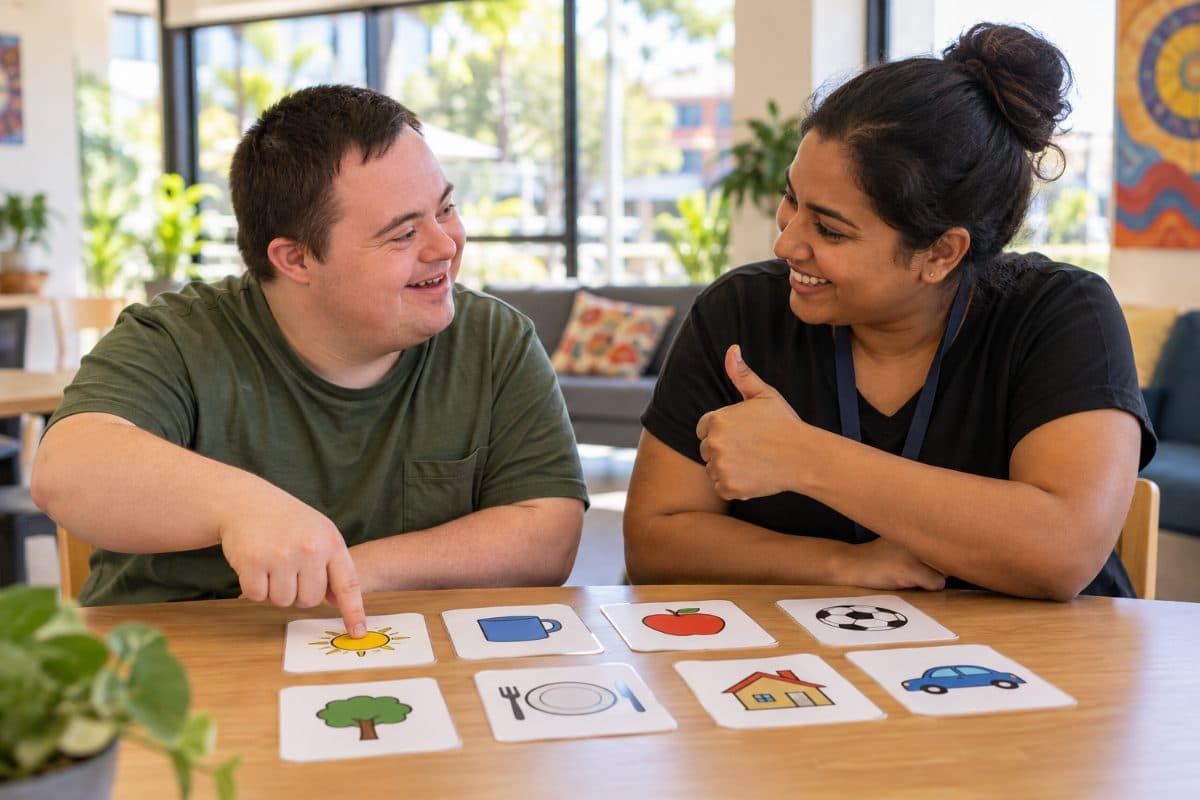
Language barriers can make it harder to understand NDIS information, explain support needs, compare services and make informed choices. When conversations are unclear, people may miss important details or feel less confident speaking up. Accessible communication, time to ask questions and respect for a person’s language preferences can make NDIS support easier to navigate.
Key takeaways
- Language access matters at every stage, from first enquiries to day-to-day support.
- A person may understand everyday English but still find NDIS terms confusing.
- Ask providers to explain services, responsibilities and changes in plain language.
- Do not assume that a multilingual website means every support worker speaks those languages.
- For questions about your own plan, speak with your planner or support coordinator.
Where can language barriers affect access to NDIS services?
The first difficulty may appear before any support starts. Enquiry forms, telephone calls and service descriptions can use unfamiliar words. Someone might know the practical help they want but struggle to describe it in terms a provider understands. A family member might help with the first enquiry, while the participant prefers to make later decisions directly. Language can also affect the way a person compares their options. A short description may not explain what happens during a visit, who will be present or how a change is handled. If a participant cannot comfortably ask follow-up questions, they may agree to something without feeling fully informed. The answer is not to make decisions for them. It is to make the conversation clearer and give the person room to choose.
Why can NDIS language be difficult?
The NDIS uses words that are not part of everyday conversation. For example, 'core supports' and 'capacity building' describe different kinds of supports. People may also hear 'self-managed', 'plan-managed' and 'NDIA-managed' when discussing how providers are paid. These terms can create a second language barrier even for someone who speaks English well. Useful communication starts with the practical question: what support is needed, and what is the person hoping to do? The discussion can then move to the relevant service and questions about the participant's plan. Any explanation of an individual's funding should be checked with their planner or support coordinator. A provider's general explanation is not a decision about what a particular plan will cover.
How can unclear communication affect choice and control?
Choice is more than being offered several services. A participant needs enough information to compare those choices. They may want to ask whether a visit is one-to-one, what activities are included, how preferences are recorded and what happens if the arrangement does not suit them. An unclear answer makes those choices harder to evaluate. It can also be harder to raise a concern. A person may not know the right term to describe a problem or may worry that their words will be misunderstood. Open questions, patient listening and a simple recap of what was agreed can help. The participant should be able to correct a misunderstanding without pressure or embarrassment.
What should you ask before choosing a support worker?
Start with your own communication needs rather than a provider's marketing language. It is reasonable to ask how the first conversation works, how preferences are noted and how changes will be discussed. You can also ask what happens if you want a different support worker or need more time to make a decision. If you prefer a language other than English, ask directly which languages the people you would communicate with actually speak. Separate the language skills of founders, office contacts and individual support workers. A provider may have multilingual information available without having a worker who speaks the language you want.
Practical ways to make conversations clearer
Before an enquiry, write down the activities you want help with and the questions that matter most. You might describe a normal day, an activity you want to join or an area where you want greater independence. Plain examples often work better than trying to remember NDIS terminology. During a conversation, ask for one topic at a time. Request an everyday explanation of unfamiliar words. Repeat the main point in your own words and ask whether you have understood it correctly. If you use a communication aid or want someone you trust involved, raise that preference at the start. Do not assume a provider offers a particular communication format or language service without checking. Afterwards, keep a record of questions still unanswered. Check who will follow up, what service has actually been discussed and whether any decision remains open. A conversation is useful when the participant can describe the next step in their own words, not simply when a form has been completed.
How does culture fit into language access?
Language and culture are connected, but they are not identical. Two people who share a language may still have different values, routines or preferences. Likewise, someone may feel comfortable speaking English while wanting their family customs or everyday practices respected. It is better to ask the person what matters to them than to assume their needs from their background. Questions about preferred names, privacy, everyday routines, food choices or family involvement can help create a more respectful discussion. The participant decides what they want to share. Not every family member should automatically speak on their behalf. Where views differ, the participant's voice and preferences should remain central.
What about self-managed, plan-managed and NDIA-managed plans?
The way a participant's NDIS plan is managed can affect which providers they can use. If you are unsure whether a provider can work with your plan, ask that question before discussing a start date. Keep eligibility, plan use and service delivery as separate conversations. A provider being willing to discuss a service does not by itself establish that the service is funded under your plan. For an explanation of your own funding, speak with your planner or support coordinator. Providers can explain what they offer, but they should not promise that a particular item will be covered. Asking for a plain-language explanation is sensible at any stage, especially before committing to an arrangement.
Language barriers in Western Sydney
Someone looking for support in Parramatta may want to discuss daily routines at home, while a person in Blacktown may be exploring community activities. A participant in Northmead may want a local first conversation; someone in Castle Hill may be comparing how different services fit their schedule. These are examples of questions to ask, not claims about local availability or individual needs. Wherever you live, ask about the specific suburb, type of support and communication preferences together. Avoid assuming that a provider with a Western Sydney base operates in every surrounding suburb or that its website language options reflect the languages of its support workers.
About Valencea in Western Sydney
Valencea is a small, founder-led NDIS support provider based in Western Sydney. Co-founders Arash Hasanzadeh and Sunny Ria both speak Persian and English. Valencea offers a free, no-obligation Meet and Greet, matches support workers to participants' preferences and offers a free plain-language chat about possible plan use, not legal or financial advice. It works with self-managed and plan-managed participants. It offers one-to-one support with a two-hour minimum shift. People needing those services should contact the relevant professional or their planner or support coordinator.
When should you ask for more help?
If you are struggling to understand a service or what you are agreeing to, ask for the explanation to be slowed down or repeated. If your questions concern the meaning of a plan item, speak with your planner or support coordinator. If you need clinical advice or therapy, ask an appropriately qualified health professional. Do not treat general website information as personal NDIS advice. Language access is not about finding a perfect phrase. It is about being heard, understanding available choices and deciding what happens next. The most useful first step is to name your preferred way of communicating and ask a provider to explain what it can actually do.
FAQ
Can language barriers stop me from understanding NDIS services?
They can make it harder to understand service descriptions, forms and conversations. This may affect how confidently you compare options or ask questions. Start with a plain-language explanation of the practical support being discussed. If the question is about your own funding, check it with your planner or support coordinator.
Do I need to know NDIS terms before contacting a provider?
No. You can begin by describing the activities you want help with and what matters to you. Ask the provider to explain any unfamiliar terms, including core supports or capacity building. You can then check questions about how your specific plan works with your planner or support coordinator.
Does a website in my language mean a support worker speaks it?
Not necessarily. A translated website and a worker's spoken language are different things. Ask which person you will communicate with, what language they speak and whether that suits you. Do not assume a particular worker or interpreter is available.
What if I prefer to have a family member at the first meeting?
You can tell a provider how you would like the conversation to work and whether you want someone you trust involved. It is still important that your own choices and preferences are heard. Ask how the provider will communicate with you directly and how it will check that decisions reflect what you want.
Can I ask for information to be explained more simply?
Yes. You can ask for short sentences, examples or a recap of what was discussed. A useful explanation should make clear what service is proposed and which questions are still open. For individual plan decisions, ask your planner or support coordinator to clarify the relevant funding details.
Can I use this provider if my plan is NDIA-managed?
No. This provider works with self-managed and plan-managed participants. If your plan is NDIA-managed, speak with your planner or support coordinator about finding a suitable provider for your support needs.
Where can I ask questions about language preferences in Western Sydney?
You can contact a provider and describe your preferred language, communication style, suburb and support needs. The founders of the provider described in this article speak Persian and English, and a free, no-obligation Meet and Greet is offered. Our team speaks Persian (Farsi) and English.
